
A column for LNP, written by Susan Knoll, Chief Mission Officer at YWCA Lancaster.
With the Jeffrey Epstein case back in the news, most stories have centered on the powerful men allegedly connected to his far-reaching web of abuse, sex trafficking, and rape.
Many are waiting for a “list” of names — but at YWCA Lancaster, we believe the public’s attention should be on those who matter most: the dozens, likely hundreds, of young victims whose voices have been silenced for decades.
The details of the Epstein case are complex and deeply troubling. Epstein first drew the attention of law enforcement in 2005 after a tip revealed that dozens of young women were coming and going from his Palm Beach home. Investigations uncovered testimony from teenage girls who reported being raped or molested.
Yet instead of decades behind bars, Epstein’s legal team secured what became known as the “deal of the century.” This 2007 non-prosecution agreement allowed him to plead guilty to two felony prostitution-related charges, serve just 13 months in a private jail wing — with daily work release — and shield his co-conspirators from prosecution. Most devastatingly, his victims were never informed of the deal.
In the years that followed, survivors fought tirelessly for justice while facing smear campaigns, intimidation, and disbelief. They were often dismissed as “unreliable witnesses” — when in fact they were, and remain, incredibly brave truth-tellers.
No survivor deserves the gaslighting, shame, or retaliation that comes with speaking out.
Why Believing Survivors Matters
At YWCA Lancaster, our offices display a simple but powerful message: Believe Survivors.
But why is this still so hard for our society to do? The answer lies in entrenched systems of patriarchy and misogyny, reinforced by powerful perpetrators and their legal teams who work to discredit victims. Public narratives too often fall into victim-blaming or “both sides” rhetoric.
The reality: Sexual violence is about power and control. It affects people of every background, though young people are particularly vulnerable.
1 in 5 female-identifying individuals have experienced rape or attempted rape in their lifetime.
1 in 3 female-identifying victims were assaulted for the first time between the ages of 11 and 17.
Nearly 1 in 4 male-identifying individuals have experienced some form of sexual violence, with about a quarter assaulted before age 18.
And these numbers only reflect those who report. Countless others remain silent due to fear, shame, or distrust in systems that have failed them.

What Survivors Need
As headlines swirl about “who’s on the list,” survivors’ needs remain clear:
Justice — for their abusers to be held accountable.
Belief — to have their truth recognized without doubt or blame.
Safety — in a society that too often betrays them.
Support — access to counseling, crisis services, and legal advocacy.
How You Can Help
We can each play a role in creating a culture that stands with survivors:
Believe survivors when they come forward — and understand the perpetrator is solely responsible for the abuse.
Challenge harmful language and attitudes, especially around women and girls.
Advocate for funding and resources so survivors have access to counseling, crisis hotlines, and legal support.
Share survivor stories to break stigma and raise awareness.
Standing Together
Ending sexual violence is not a partisan issue. Survivors come from every political, racial, and economic background. Perpetrators do too, though those with wealth and influence often face the fewest consequences.
We each have the power to help change this. By standing in solidarity with survivors in our homes, schools, workplaces, and communities, we create ripples that shift conversations, shape policies, and save lives.
Let’s make sure that the voices of those brave enough to speak out are not lost in the noise, but heard, supported, and believed.
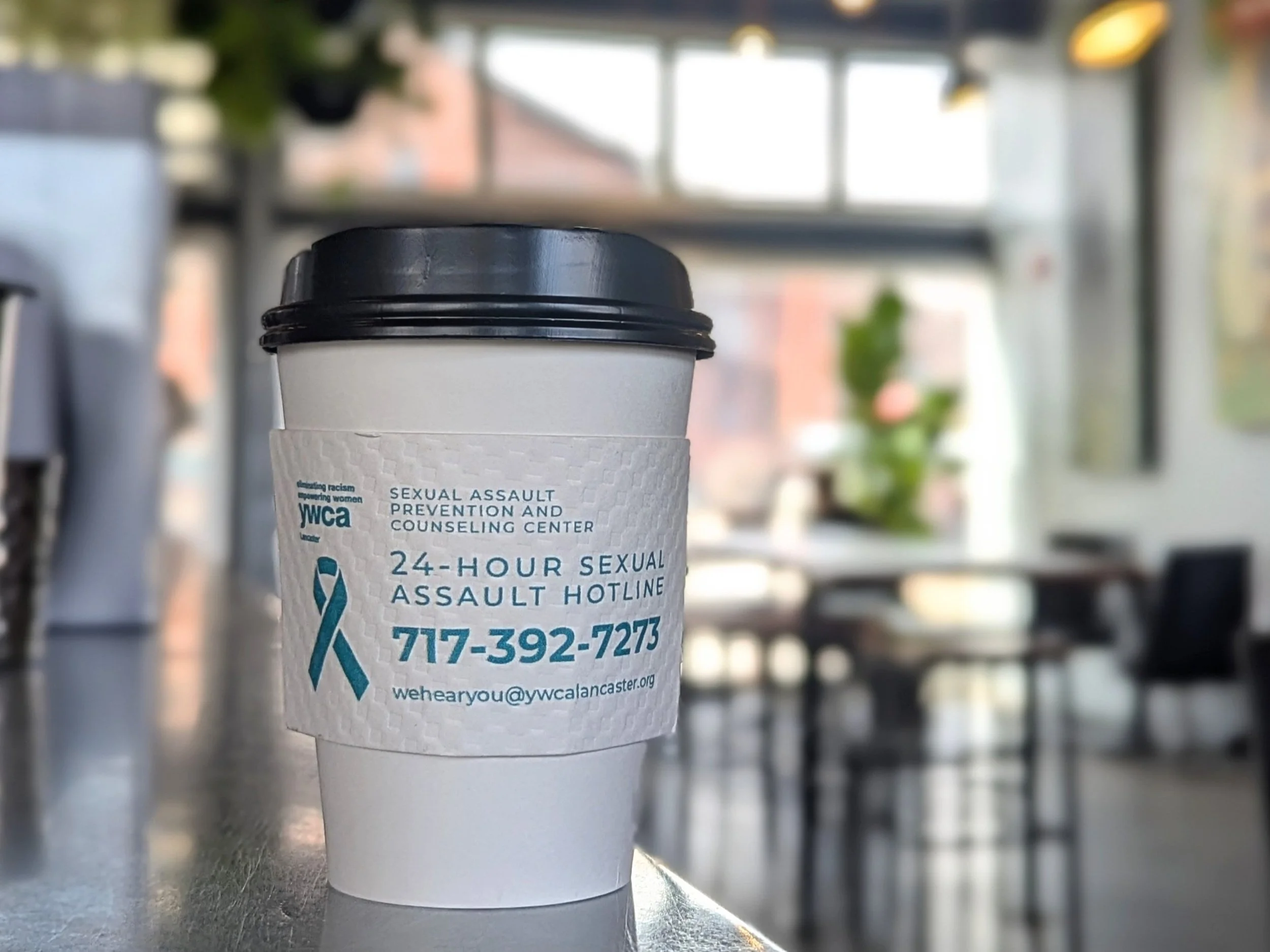
YWCA Lancaster’s Sexual Assault Prevention and Counseling Center is Lancaster County’s designated rape crisis center, offering:
24/7 crisis hotline: 717-392-7273
Medical advocacy
Legal advocacy
K-12 and college prevention programs
No-cost counseling for survivors and those impacted
If you or someone you know needs support, we are here. Always.

Susan Knoll, Chief Mission Officer at YWCA Lancaster
Susan leads mission-driven initiatives to eliminate racism and empower women, overseeing programs including the county’s designated rape crisis center, YWCA Lancaster’s Sexual Assault Prevention and Counseling Center, Center for Racial and Gender Equity, and Kepler Hall Residence Program. She is a dedicated advocate for survivors and works to create a safer, more equitable community.
This blog post is a summary of a column written for LNP. Read the full column here.
Written by Demetrius Archer, Communications Manager, YWCA Lancaster