
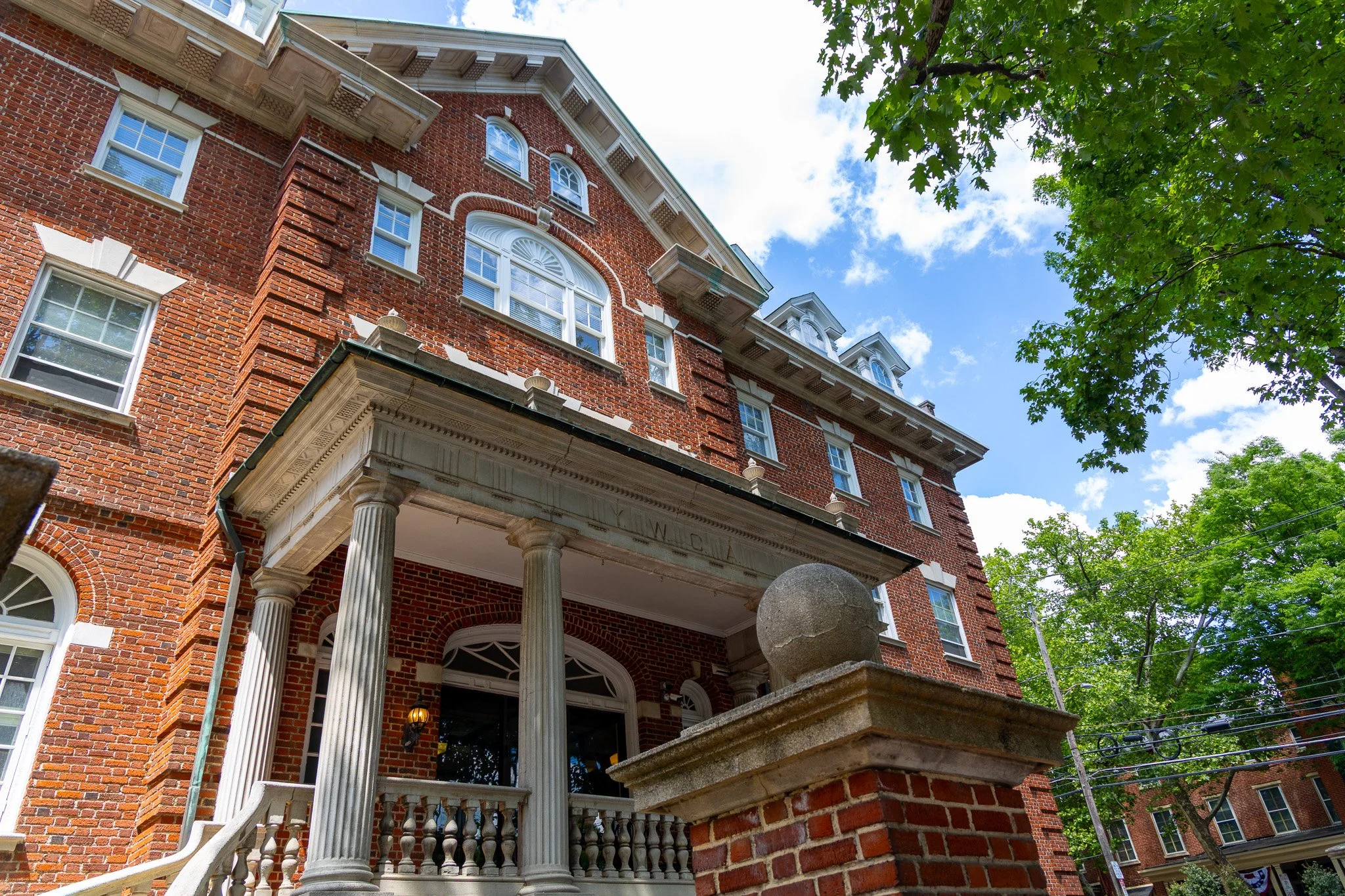
Like so many throughout our community, we at YWCA Lancaster have seen and discussed recent reports of racism, harassment, and sexual misconduct affecting young people in our local schools.
Before we can address these issues, it is important to clearly define them:
Racism is prejudice, discrimination, or antagonism directed against a person or group based on race or ethnicity, particularly against those who have been historically marginalized.
Sexual misconduct refers to unwelcome behavior of a sexual nature and encompasses a broad range of actions that violate another person's dignity, safety, or boundaries.
The incidents making headlines today are not isolated events. They reflect larger societal issues rooted in racism, sexism, and other forms of discrimination that have persisted for generations. They are also not unique to any one school or district. Similar incidents occur every day in schools across our county and throughout the nation.
The stories we have recently learned about are receiving attention not only because of their severity, but because someone, whether a student, parent, educator, or community member, found the courage to speak up and say, enough is enough.
One difficult truth connects many of these incidents. Whether students created sexually graphic images using classmates' faces, a student was subjected to humiliating sexual behavior by a teammate, or students were charged a so-called "Black tax" to enter a room, adults were aware of the behavior at some point and, for a variety of reasons, failed to intervene.
The reasons for that inaction may differ. Some may have felt the rules were unclear. Others may not have known what to say or how to respond. Some may have feared retaliation, professional consequences, or making an already difficult situation worse. Whatever the reason, when adults fail to act, children are left in unsafe environments and harmful behavior is allowed to continue.
Another uncomfortable truth is that young people do not develop racist, xenophobic, homophobic, or misogynistic attitudes in isolation. These beliefs and behaviors are learned. They are modeled by adults in homes, communities, online spaces, and even within institutions at the highest level that should be helping to protect and guide young people.
This is why accountability must begin with adults. Parents, caregivers, educators, coaches, administrators, and community leaders all play a role in shaping the values and behaviors of the next generation. If we want young people to build communities rooted in respect, empathy, inclusion, and dignity, we must consistently model those values ourselves.
There are no easy answers to challenges of this magnitude. However, we remain committed to examining our own role in creating change and working alongside our community to build a future where every person can live, learn, and thrive free from harassment, violence, discrimination, and fear.
In the meantime, we know that young people across Lancaster County need support now. Every adult has a responsibility to help create environments where safety, respect, inclusion, and accountability are the norm. These values cannot simply be discussed; they must be practiced, demonstrated, and reinforced every day.
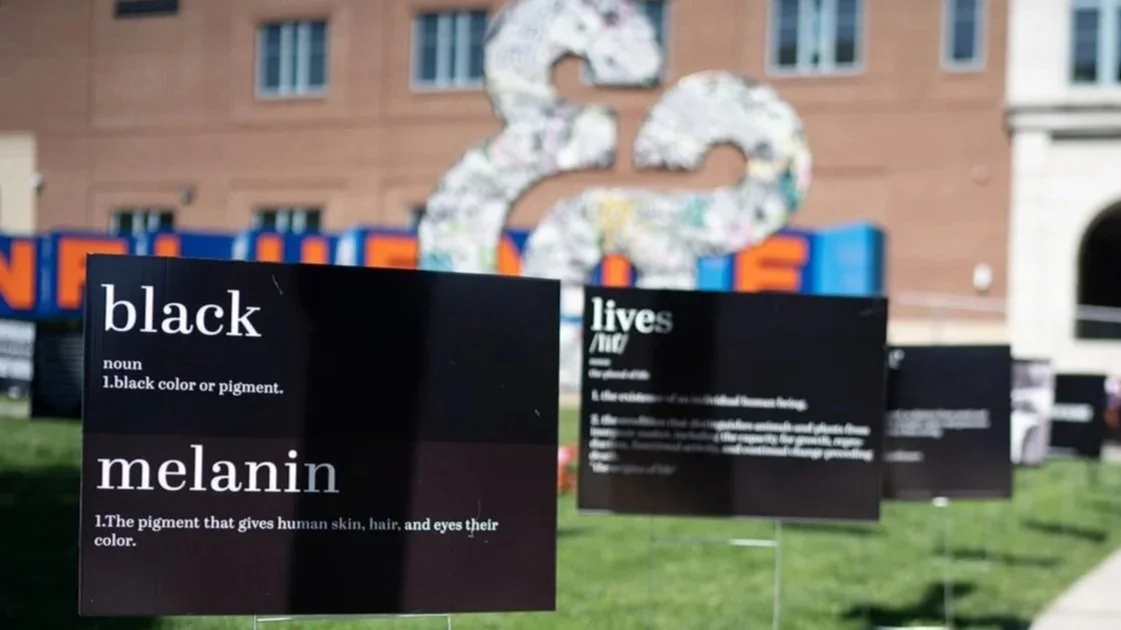
To the young people impacted by these recent events: we see you, we hear you, and you deserve to feel safe, respected, and valued. We are deeply sorry for the harm you have experienced.
To the parents, educators, community leaders, and residents who want to be part of the solution: we are here to help. We invite you to partner with us to develop meaningful responses to these challenges through education, intervention strategies, and opportunities for honest, constructive dialogue.
To learn more about how YWCA Lancaster can support efforts to prevent violence, promote inclusion, and create safer communities for all, please contact Kat Gastineau, Director of Education and Advocacy, at kgastineau@ywcalancaster.org or 717-896-5021 ext. 270.
We offer a wide range of workshops and trainings on topics such as bystander intervention, anti-bias practices, restorative approaches, healthy relationships, and sexual violence prevention, among many others. Our goal is to meet you where you are at, and develop a plan that works for you.
Our mission is to eliminate racism, empower women, and promote peace, justice, freedom, and dignity for all. We believe that a safer, more inclusive Lancaster County benefits every member of our community, and we remain committed to doing our part to help make that vision a reality.

About the Author
Susan Knoll exemplifies the values at the heart of YWCA Lancaster’s mission to eliminate racism, empower women, and promote peace, justice, freedom, and dignity for all. She has a deep commitment to fostering equitable environments, championing social justice, and driving systemic change. Whether advocating for marginalized communities, shaping policies to address pressing social issues, or creating innovative programs to support diverse populations, Susan has demonstrated a passion for building inclusive, supportive spaces where individuals and communities can thrive.